Artist Development Is More Than Making Better Music
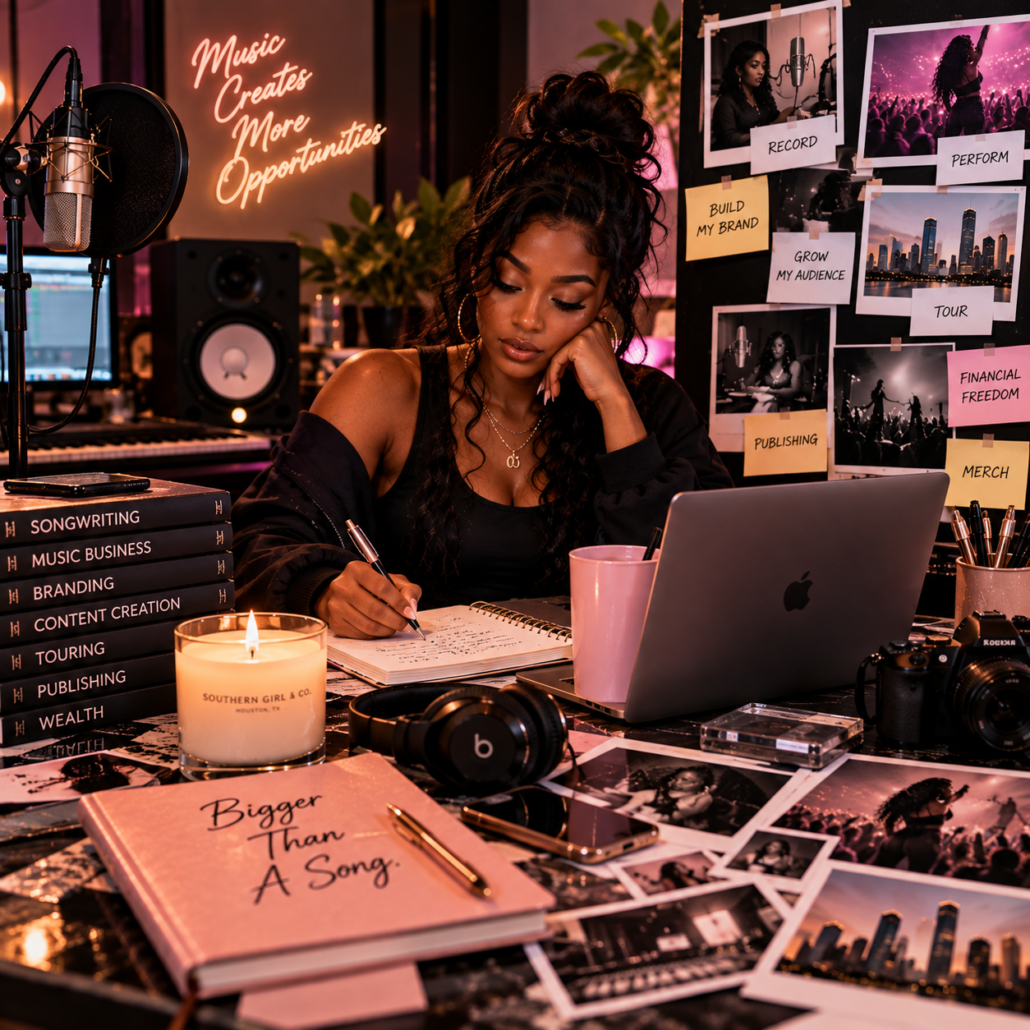
🎤 Artist Development Is More Than Making Better Music
Every artist wants to get better at their craft.
Better songs.
Better vocals.
Better production.
Better performances.
Better recordings.
And obviously, that’s important.
But artist development isn’t just about making the music better.
It’s about developing the artist.
Because you can have an incredible voice and still not know how to build a career around it.
You can write amazing songs and not understand publishing.
You can have a great visual identity and no idea how to perform live.
You can have 100,000 followers and no direct relationship with your audience.
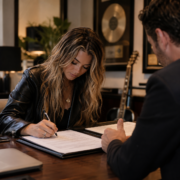
You can make a beautiful record and have no idea what you’re actually signing when somebody puts a contract in front of you.
The music is part of the development. It isn’t the entire thing.
Your Craft Comes First
Let’s get this part straight.
We’re not saying artists should spend so much time thinking about business that they stop making music.
Quite the opposite.
Music comes first.
You should continue developing your songwriting, production, vocals, musicianship, performance and creative instincts.
The better you become at your craft, the more valuable everything around it can become.
But eventually, another question starts to matter:
What are you going to do with all that talent?
That’s where development comes in.
Developing an Artist Means Developing a Point of View
Two artists can sing equally well and create completely different careers.
Why?
Because an artist is more than a skill set.
An artist has a point of view.
What do you want to say?
What do you want people to feel?
What subjects keep showing up in your music?
What kind of stories do you tell?
What makes your perspective different?
What do you care about?
What do you refuse to compromise?
You don’t have to have every answer at the beginning.
But developing an artist means giving yourself enough room to discover those answers.
Your Artist Identity Will Become Clearer Over Time
Sometimes artists think they need to figure out their entire brand before releasing their first song.
You don’t.
Your identity can develop through the work.
You may start with one sound and discover another.
Your visual style may change.
Your audience may surprise you.
You may realize the thing you thought was a side project is actually an important part of your identity.
Growth doesn’t mean you weren’t authentic before.
It means you’re learning more about yourself as an artist.
Development is supposed to involve development.
😂
Performance Is Part of Development
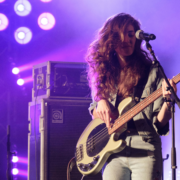
You don’t become a great live artist by recording songs in your bedroom.
Eventually, you have to get onstage.
And live performance teaches you things the studio can’t.
How do you command a room?
How do you transition between songs?
How do you handle a technical problem?
How do you pace your set?
How do you connect with an audience?
How do you recover when something goes wrong?
How do you perform when the crowd doesn’t already know every word?
Those are skills.
And like songwriting, they’re developed through practice.
Learn How to Communicate Your Music
This one gets overlooked.
Artists sometimes assume:
“If the music is good, people will understand it.”
Maybe.
But you still need to be able to talk about what you’re creating.
That doesn’t mean turning into a full-time content creator.
It means knowing how to explain your work.
What’s the story behind this song?
Why did you make this project?
What inspired it?
Who is it for?
What do you want someone to feel?
You don’t need a rehearsed corporate elevator pitch.
You just need to know your own story well enough to tell it.
Learn the Business Before You Need the Business
This is one of the biggest parts of artist development.
Learn:
- Publishing
- Songwriting splits
- Royalties
- Contracts
- Masters
- Distribution
- Licensing
- Management
- Touring
- Merchandising
- Basic budgeting
- Marketing
You don’t have to become an expert in every category.
But you should know enough to recognize when something deserves a deeper conversation.
And when you need professional help, you should know who to call.
That’s part of becoming a professional artist.
Learn How Your Money Works
You don’t have to love spreadsheets.
Trust me. 😂
But you should understand the basics.
What does it cost you to make a project?
What does it cost to perform?
What does it cost to travel?
How much are you spending on marketing?
How much are you actually earning from shows?
What percentage of a sale goes toward production?
What money belongs to the artist?
What money belongs to collaborators?
What’s being recouped?
What’s being paid out?
You can’t make good long-term decisions if you don’t understand the money moving through your career.
Learn How to Work With People
Music is collaborative.
Even the most independent artist usually needs other people.
Producers.
Songwriters.
Musicians.
Engineers.
Photographers.
Videographers.
Managers.
Promoters.
Designers.
Attorneys.
Accountants.
Booking professionals.
Other artists.
Your reputation matters.
Being talented can get you into a room.
Being professional helps people want to work with you again.
Show up.
Communicate.
Respect people’s time.
Pay people when you say you will.
Give credit.
Read the agreement.
Do what you said you were going to do.
That is artist development too.
Build Your Audience, Not Just Your Numbers
Followers can be useful.
Streams can be useful.
Views can be useful.
But numbers aren’t the entire relationship.
Who actually listens to your music?
Who comes to your shows?
Who buys your merch?
Who shares your songs?
Who responds to your emails?
Who has been following you for five years?
Who brings a friend to the next show?
An artist should be building an audience that cares about the artist, not just the latest post.
That’s why direct relationships matter.
And it’s one reason artists shouldn’t build their entire career on a single social platform.
Learn How to Tell the Difference Between an Opportunity and a Distraction
As your career grows, opportunities will start showing up.
That’s exciting.
But not every opportunity is a good opportunity.
A show may pay well but put you in front of an audience that has nothing to do with your music.
A brand deal may offer money but conflict with your identity.
A collaboration may have a big name attached but make no creative sense.
A release opportunity may sound impressive but require more than you’re comfortable giving up.
Artist development includes learning to ask:
Does this actually move the career I’m trying to build forward?
Sometimes the most professional answer is no.
Your Team Should Develop With You
You don’t need ten people standing behind you before you’ve released your first single.
Your team can grow as your needs grow.
Maybe you start with a producer and an engineer.
Then you bring in a manager.
Then a lawyer.
Then booking.
Then marketing.
Then additional creative support.
The point isn’t to look important.
The point is to have the right support for the stage you’re actually in.
And you should understand what each person is responsible for.
Don’t Let Development Turn Into Perfectionism
There’s a flip side to all of this.
You can spend so much time “developing” that you never actually release anything.
At some point:
You have to put the song out.
You have to perform.
You have to learn from the audience.
You have to make another song.
You have to try something.
You have to make mistakes.
You have to adjust.
Some of the best artist development happens in motion.
Give Yourself Room to Become
Maybe the most important part of artist development is understanding that you are allowed to evolve.
You don’t have to have your entire career figured out at 22.
Or 32.
Or 42.
Or 52.
You can change.
You can learn.
You can try something different.
You can discover a new sound.
You can build a business.
You can become a songwriter.
You can become a producer.
You can become a touring artist.
You can become an executive.
You can become all of those things.
Your career doesn’t have to fit inside the version of yourself that existed when you released your first song.
So What Does Real Artist Development Look Like?
It looks like making better music.
But it also looks like:
Becoming a better performer.
Understanding your business.
Learning your rights.
Building your audience.
Developing your identity.
Learning how to work with people.
Understanding money.
Making smarter opportunities.
Building a team.
Learning from experience.
And continuing to create while you’re doing all of it.
Because the goal isn’t simply to make an artist better at music.
The goal is to help an artist become more prepared to build a career around the music they make.
At Southern Girl & Co., that’s a distinction we care about.
Because there are plenty of talented artists.
We want to see more artists who understand the business, know their value, develop their craft and build something that belongs to them.
Make the music.
Develop the artist.
Build the career.